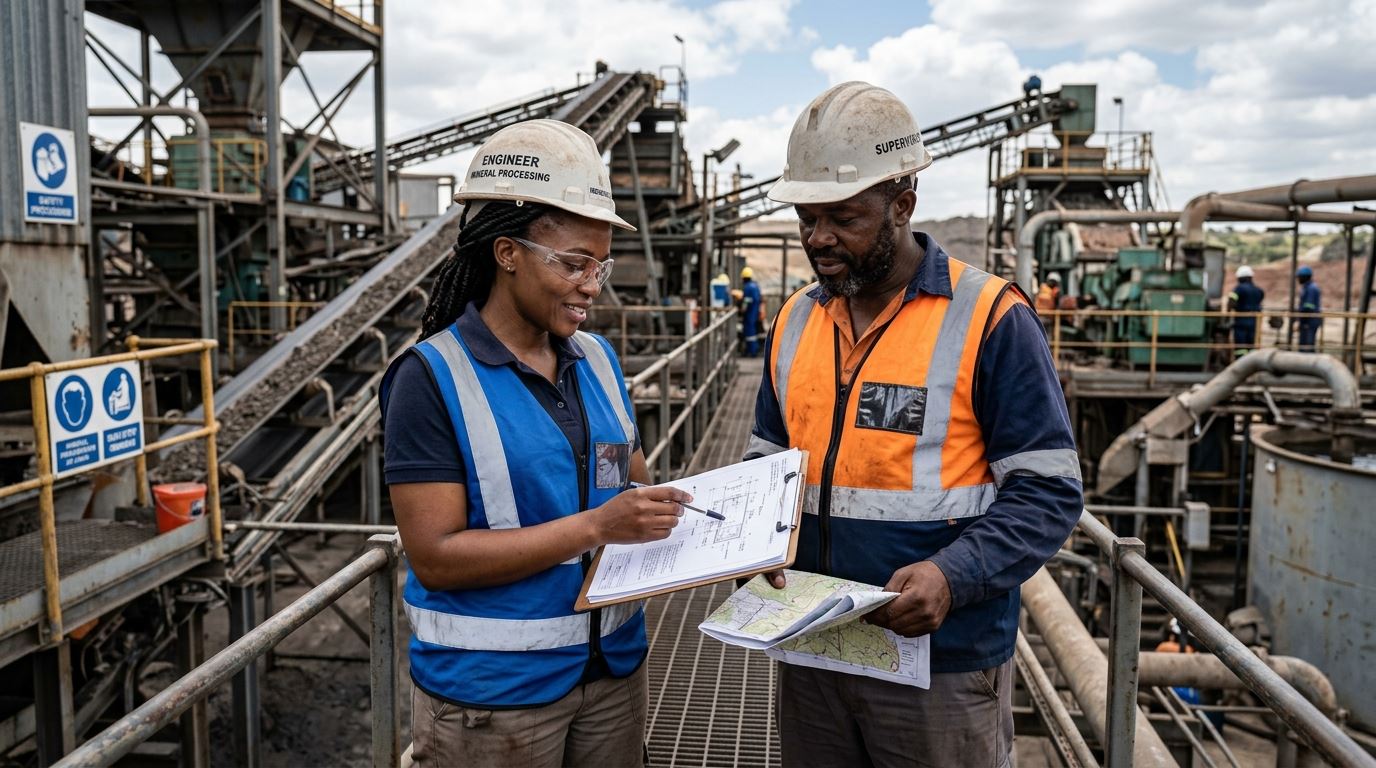
Fostering economic empowerment and sustainable development across Africa's mining sector through strategic partnerships.
Read Article →
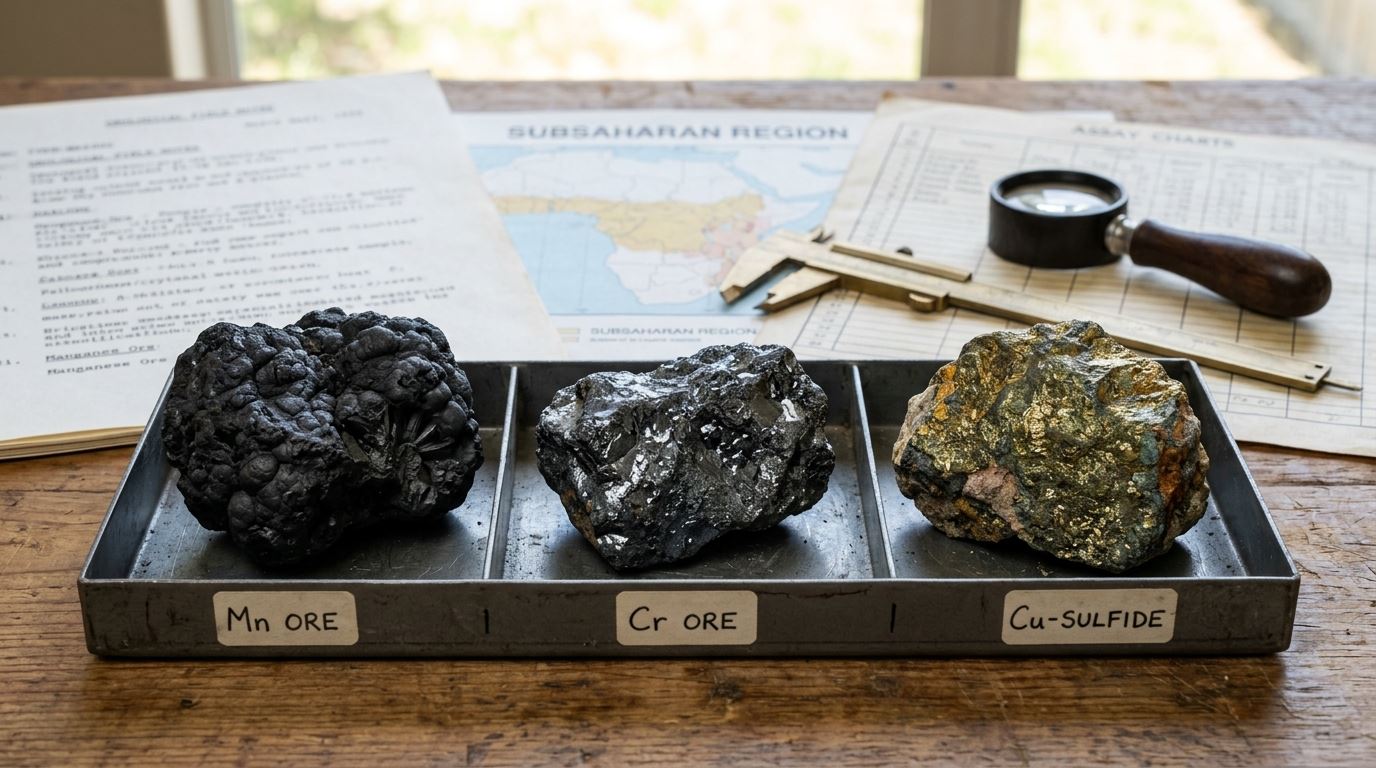
Insights into the key commodities driving the transition to renewable energy systems.
View Outlook →
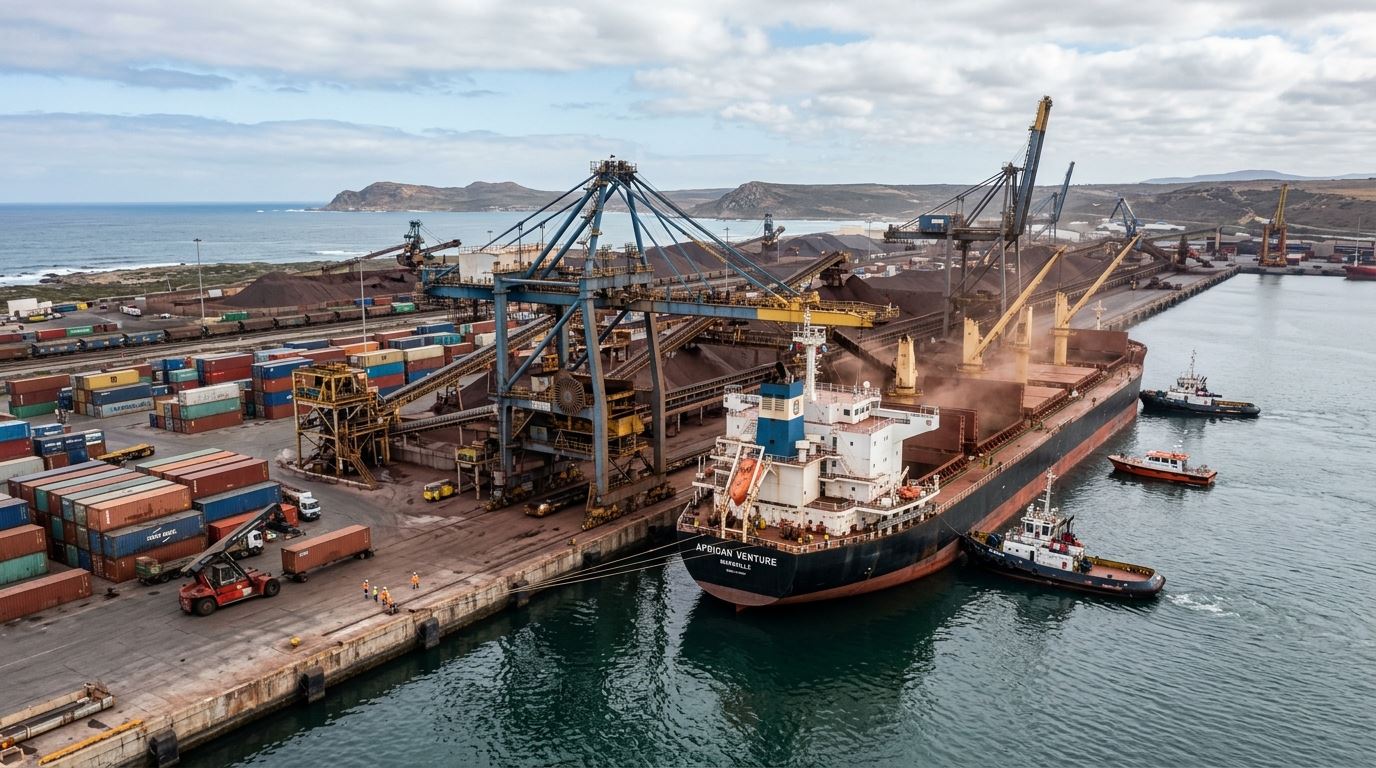
How new transport corridors are unlocking value for remote African mining operations.
Read Article →December 2025
At Elpis Capital, we are committed to fostering economic empowerment and sustainable development across Africa's vibrant mining sector. As a leading investment firm specializing in commodity trade and resource funding, we pride ourselves on strategic partnerships that drive innovation, create jobs, and support local communities. Our recent collaborations and initiatives exemplify our dedication to transforming the industry while delivering tangible value to stakeholders.
One of our flagship achievements is our close collaboration with Cognocent Capital on the Paschas Kraal and Mabeskraal projects. Located in the resource-rich regions of South Africa, these initiatives focus on responsible mining practices and infrastructure development. Together with Cognocent Capital, we've invested in advanced exploration techniques, enhanced safety protocols, and community engagement programs at Paschas Kraal and Mabeskraal. These efforts have not only boosted operational efficiency but also empowered local workforces, generating sustainable employment opportunities and contributing to regional economic upliftment. By leveraging our combined expertise in capital structuring and project management, we've set new benchmarks for ethical mining that prioritize environmental stewardship and long-term viability.
In addition to our South African ventures, Elpis Capital is making significant strides in the Zimbabwean chrome market. We've successfully facilitated the delivery of high-quality Zimbabwean Chrome Concentrate to international buyers, ensuring reliable supply chains that meet global demand. Our logistics and trade expertise have enabled seamless exports, supporting Zimbabwe's position as a key player in the chrome industry. This initiative underscores our role in bridging African resources with worldwide markets, promoting fair trade and economic integration.
Furthermore, Elpis Capital is deeply invested in nurturing grassroots growth by assisting in the funding of local Chrome Concentrate producers in Zimbabwe. Through tailored financing solutions, we've provided essential capital to small and medium-scale operations, enabling them to scale production, adopt modern technologies, and comply with international standards. This support has been instrumental in enhancing productivity, reducing operational risks, and fostering entrepreneurship among local miners. By empowering these producers, we're not just funding businesses—we're building resilient communities and a more inclusive mining ecosystem.
As we look to the future, Elpis Capital remains steadfast in our mission to unlock Africa's potential through innovative investments and collaborative partnerships. Join us in shaping a brighter, more prosperous tomorrow for the continent's mining landscape. For more information on our projects or investment opportunities, visit our website or contact our team today.
November 2025
South Africa’s state-owned logistics giant Transnet is rolling out significant infrastructure improvements across its major ports, including Durban, Cape Town, and Coega. These upgrades involve the acquisition of new cargo-handling equipment and modernization of port systems to reduce delays and restore confidence among global shipping lines. According to FurtherAfrica, “Transnet’s strategy to modernise South Africa’s port system aims to improve operational efficiency and reduce persistent delays that have impacted trade flows and competitiveness”.
This modernization is expected to lower logistics costs, enhance export competitiveness, and strengthen Sub-Saharan Africa’s role in global commodity supply chains.
Beyond South Africa, logistics networks across Sub-Saharan Africa are undergoing five major shifts identified by Unitrans and supported by insights from the African Development Bank and AfCFTA Secretariat:
For the mining and commodities sector, these logistics improvements are critical. Efficient ports and transport corridors will enable faster movement of chrome, manganese, antimony, and base metals to global markets. Improved logistics also support capital raising and off-take agreements, as investors gain confidence in the reliability of African supply chains.
Opportunities: Enhanced port efficiency, digital supply chain visibility, and regional integration will reduce costs and attract investment.
Challenges: Infrastructure gaps remain in inland transport, and political risks could slow implementation.
With Transnet’s port upgrades and continent-wide logistics reforms, Sub-Saharan Africa is poised to strengthen its position in global trade by 2026. As Logistics News notes, “Africa’s logistics landscape is transforming, with clear signals emerging about how supply chains across Sub-Saharan Africa are evolving”.
For companies like Elpis Capital, these improvements create a more reliable environment for mining operations, consulting services, and financial structuring — ensuring commodities can move efficiently from mine to market.
January 2026 Outlook
The global demand for critical minerals such as manganese, chrome, and base metals is accelerating as economies transition toward renewable energy and electrification. Africa’s vast reserves are increasingly central to these supply chains. According to Invest Africa, “Africa’s mining ecosystem is entering a new era of growth and transformation, with resource corridors gaining new geopolitical weight as nations compete to secure critical minerals”.
Standard Chartered Global Research forecasts economic growth of about 4.3% in Sub-Saharan Africa in 2026, supported by firm commodity prices, resilient capital inflows, and reforms in energy and logistics. This growth outpaces the projected global average of 3.4%, highlighting the region’s importance in global mining and commodities markets.
Major mining entities are cautiously optimistic. The Mining in Africa Country Investment Guide (MACIG 2026) notes that African mining assets continue to trade at a discount compared to North American or Australian peers, but reforms and rising demand are narrowing this gap. As BMO Capital observed, “African assets trade at a 30% discount to gold peers, but this markdown is increasingly seen as disproportionate” (Global Business Reports).
This sentiment reflects a broader recognition that Sub-Saharan Africa’s mining sector is undervalued relative to its potential. Companies are positioning themselves to benefit from reforms in logistics and energy infrastructure, which are expected to reduce operational bottlenecks.
Chrome & Manganese: Demand driven by stainless steel and battery production.
Antimony & Base Metals: Critical for industrial applications and emerging technologies.
Gold: Despite the “African discount,” gold remains a cornerstone of investment portfolios.
Challenges: Infrastructure gaps, regulatory uncertainty, and geopolitical risks.
Opportunities: Rising demand for critical minerals, improved logistics solutions, and capital raising for new mining projects.
Sub-Saharan Africa’s mining outlook for 2026 is optimistic but pragmatic. With reforms underway and commodity prices firming, the region is poised to play a pivotal role in global supply chains. As Invest Africa emphasizes, “Developing partnerships to ensure sustainable supply chains through strategic corridors is a vital component of geopolitical and bilateral relations”.
For companies like Elpis Capital, which focus on mining, consulting, and finance, this environment presents both challenges and significant opportunities to leverage Africa’s resource wealth in a professional, globally competitive manner.